Learning Outcomes:
i. Define and differentiate between sexual and asexual reproduction in animals.
ii. Describe the structure and function of the male and female reproductive systems in vertebrates.
iii. Explain the role of hormones in animal reproduction.
iv. Discuss the various modes of reproduction found in the animal kingdom, including sexual reproduction, asexual reproduction, and parthenogenesis.
v. Analyze the relationship between reproductive modes and life history strategies in animals.
i. Sexual Reproduction in Animals:
Sexual reproduction is the most common mode of reproduction in animals. It involves the fusion of gametes (sex cells) from two different individuals, resulting in the formation of a new organism with a unique genetic makeup. In animals, gametes are produced in specialized organs called gonads.
Male reproductive system: The male reproductive system is responsible for producing sperm cells, which are the male gametes. The main components of the male reproductive system in vertebrates include:
- Testes: The paired gonads responsible for producing sperm cells and testosterone, a hormone that regulates male sexual development.
- Epididymis: A coiled tube that stores and matures sperm cells.
- Vas deferens: A tube that transports sperm cells from the epididymis to the urethra.
- Urethra: A canal that carries sperm cells out of the body during ejaculation.
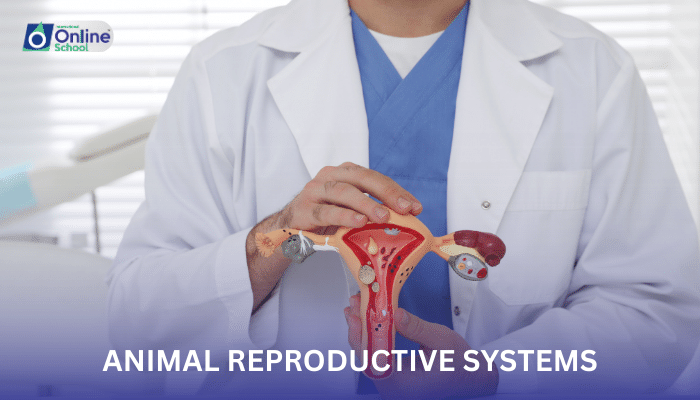
Female reproductive system: The female reproductive system is responsible for producing egg cells, which are the female gametes. It also provides a nurturing environment for the developing embryo and fetus. The main components of the female reproductive system in vertebrates include:
- Ovaries: The paired gonads responsible for producing egg cells and female sex hormones, such as estrogen and progesterone.
- Oviducts: Tubes that transport egg cells from the ovaries to the uterus.
- Uterus: An organ that nurtures the developing embryo and fetus during pregnancy.
- Vagina: A canal that connects the uterus to the external environment and allows for sexual intercourse and childbirth.
ii. Asexual Reproduction in Animals:
Asexual reproduction is a mode of reproduction in which a new organism is produced from a single parent without the fusion of gametes. Asexual reproduction in animals is less common than sexual reproduction but is still found in some groups, such as cnidarians (jellyfish and sea anemones), flatworms, and some insects.
Parthenogenesis: A form of asexual reproduction in which an unfertilized egg cell develops into a new organism. Parthenogenesis is a rare mode of reproduction in animals, but it occurs in some reptiles, such as Komodo dragons and some fish.
iii. Hormones and Animal Reproduction:
Hormones play a critical role in regulating animal reproduction. They control the production and release of gametes, the development of secondary sex characteristics, and the timing of sexual behaviors. Some of the key hormones involved in animal reproduction include:
Gonadotropins: Hormones that stimulate the gonads to produce sex hormones and gametes. Examples include follicle-stimulating hormone (FSH) and luteinizing hormone (LH).
Sex hormones: Hormones that regulate sexual development and behavior. Examples include estrogen, progesterone, and testosterone.
Prolactin: A hormone that stimulates milk production in mammals.
iv. Modes of Reproduction and Life History Strategies:
The mode of reproduction an animal employs is closely linked to its life history strategy. Life history strategies are sets of adaptations that determine an organism's reproductive output, survival, and overall life cycle. Some common life history strategies include:
r-selected species: Species that produce a large number of offspring with little investment in parental care. These species typically have short lifespans and live in unpredictable environments. Examples include insects and rodents.
K-selected species: Species that produce a small number of offspring with a high investment in parental care. These species typically have long lifespans and live in stable environments. Examples include elephants and humans.
Animal reproductive systems are diverse and complex, reflecting the wide range of life histories and environments found in the animal kingdom. Understanding animal reproduction is essential for comprehending the biology of individual organisms and the dynamics of animal populations.
